

The Effects of Alcohol on Your Body: A Comprehensive Guide
Alcohol is a widely consumed substance that has both immediate and long-term effects on the body. Understanding these effects is crucial for making informed decisions about alcohol consumption and promoting a healthy lifestyle. In this comprehensive guide, we will explore the impact of alcohol on your body, from the immediate consequences of consumption to the hidden dangers of chronic drinking. We will also provide practical tips for safer drinking habits and resources for those in need of support.
Navigating This Page: Your Guide to Alcohol Awareness
Before delving into the specifics of alcohol’s effects on the body, it’s important to familiarize ourselves with the structure of this article. We have organized the information into several sections to help you navigate through the key aspects of alcohol awareness.
In this expanded version, we will provide you with additional insights into the impact of alcohol consumption and the dangers of excessive drinking. By understanding these aspects, you will be better equipped to make informed decisions about alcohol use and its potential consequences.
Understanding the Impact of Alcohol Consumption
Alcohol affects various systems in the body, including the central nervous system, liver, and cardiovascular system. When consumed, alcohol enters the bloodstream and travels to the brain, where it can impair cognitive functions, coordination, and judgment.
Furthermore, excessive alcohol intake can lead to liver damage, as the liver is responsible for metabolizing alcohol. This can result in a condition called alcoholic hepatitis, which may progress to more severe liver diseases like cirrhosis.
In addition to its effects on the liver, alcohol consumption can have a negative impact on the cardiovascular system. It can raise blood pressure, increase the risk of heart disease, and contribute to irregular heart rhythms. These effects can have long-term implications for overall cardiovascular health.
Exploring the Dangers of Excessive Drinking
While moderate alcohol consumption may have some health benefits, excessive drinking can lead to a wide range of health problems. These include an increased risk of developing certain cancers, such as liver, breast, and mouth cancer.
Beyond the physical health risks, excessive alcohol consumption can also have significant social and psychological consequences. It can contribute to relationship issues, impair job performance, and increase the likelihood of engaging in risky behaviors.
Moreover, long-term excessive drinking can lead to alcohol use disorder (AUD) or alcohol addiction. AUD is a chronic brain disease that requires professional treatment to overcome. It is important to recognize the signs of AUD and seek help if you or someone you know is struggling with alcohol-related issues.
Seeking Help for Alcohol-Related Issues
If you or someone you know is struggling with alcohol-related issues, it’s important to seek help. There are various resources available, such as support groups, counseling services, and treatment programs. It’s essential to reach out and connect with these resources to receive the assistance and support needed to overcome alcohol-related challenges.
Remember, seeking help is a sign of strength, and there is no shame in reaching out for support. By taking the first step towards addressing alcohol-related issues, you are prioritizing your well-being and paving the way for a healthier and happier future.
Key Takeaways: Understanding Alcohol’s Effects
As we conclude this section of the guide, it’s important to emphasize a few key takeaways. Alcohol has both immediate and long-term effects on the body, impacting the central nervous system, liver, and cardiovascular system. Excessive alcohol consumption can lead to liver damage, cardiovascular problems, and an increased risk of developing certain cancers. Seeking help for alcohol-related issues is crucial for overcoming challenges and leading a healthier life.
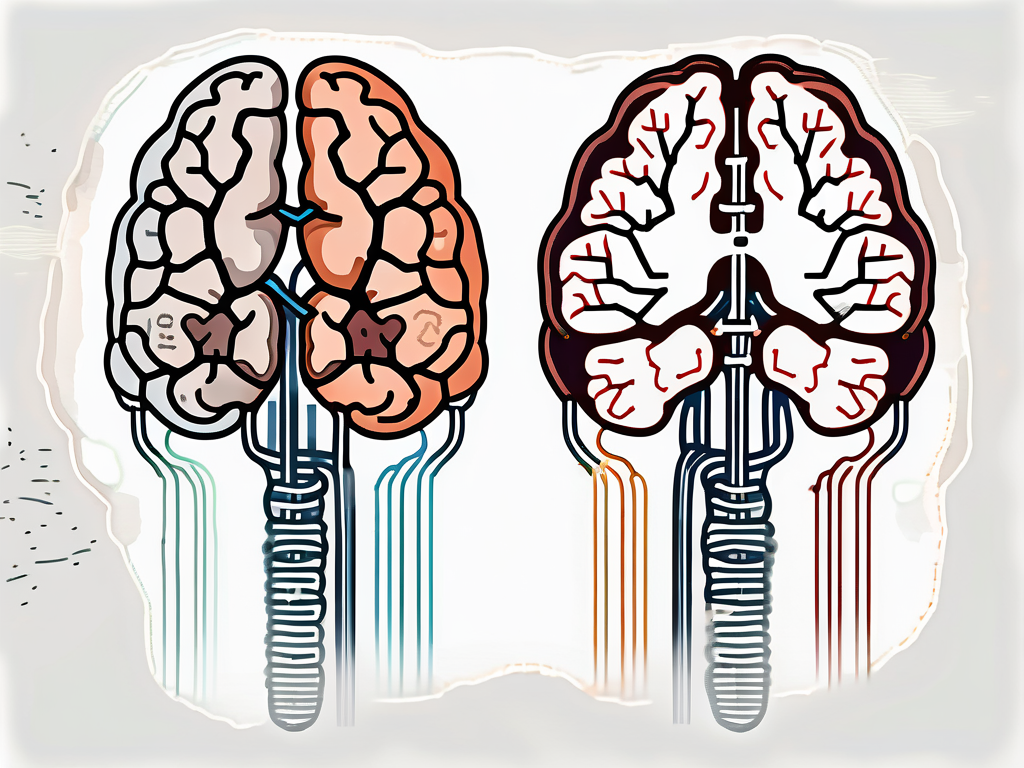
It’s worth noting that alcohol affects individuals differently based on various factors such as age, weight, gender, and genetic predisposition. For example, women generally experience the effects of alcohol more quickly than men due to differences in body composition. Additionally, young adults are more susceptible to the negative impacts of alcohol on brain development, which can have long-lasting consequences on cognitive function.
Furthermore, the social and cultural context in which alcohol is consumed plays a significant role in shaping drinking behaviors. In some societies, alcohol is deeply ingrained in social gatherings and rituals, leading to higher rates of consumption. Understanding these cultural norms and peer influences is essential in addressing alcohol misuse and promoting responsible drinking habits among individuals of all ages.
Exploring the Impact of Alcohol on Your Health
While we’ve touched on some of the immediate consequences of alcohol consumption, there are other health-related aspects to consider.
First and foremost, alcohol can disrupt sleep patterns, leading to poor quality sleep and increased tiredness during the day. This is particularly evident when experiencing a hangover, which is the body’s response to excessive alcohol intake. Hangovers can cause symptoms such as headache, nausea, fatigue, and difficulty concentrating.
Furthermore, alcohol can impair the immune system, making the body more susceptible to infections and diseases. It can also interfere with the body’s ability to absorb nutrients, which can lead to malnutrition over time.
Another important consideration is the impact of alcohol on mental health. Excessive alcohol consumption is linked to an increased risk of developing mental health disorders such as depression and anxiety. This is because alcohol is a depressant that affects neurotransmitters in the brain, leading to mood changes and potential long-term mental health issues.
Additionally, chronic alcohol abuse can have detrimental effects on various organs in the body. The liver, in particular, is highly susceptible to damage from alcohol. Prolonged alcohol consumption can lead to liver inflammation, fatty liver disease, alcoholic hepatitis, and ultimately, cirrhosis – a serious and potentially life-threatening condition.
Dealing with the Morning After: Understanding Hangovers
Hangovers are a common consequence of excessive alcohol consumption. Understanding how to mitigate their effects can help individuals have a smoother recovery.
First and foremost, staying hydrated is crucial. Alcohol is a diuretic, meaning it causes increased urine production, which can lead to dehydration. Drinking plenty of water before, during, and after alcohol consumption can help prevent dehydration and alleviate some hangover symptoms.
Eating a balanced meal before drinking and opting for lighter alcoholic beverages can also help reduce the severity of a hangover. Additionally, getting enough rest and sleep can aid in the body’s recovery process.
Moreover, consuming foods high in antioxidants, such as berries, nuts, and leafy greens, can assist in combating the oxidative stress caused by alcohol consumption. Antioxidants help neutralize free radicals in the body, potentially reducing inflammation and easing hangover symptoms.
Engaging in light physical activity, such as a leisurely walk or gentle yoga session, can also promote blood circulation and help the body eliminate toxins more efficiently. However, intense exercise is not recommended as it may further strain the body while it is already in a weakened state.
Recognizing and Responding to Alcohol Poisoning
Alcohol poisoning is a severe and potentially life-threatening condition that can occur when a person consumes excessive amounts of alcohol. It’s important to recognize the symptoms of alcohol poisoning and respond promptly.
Signs of alcohol poisoning include confusion, vomiting, seizures, slow or irregular breathing, and unconsciousness. If you suspect someone may have alcohol poisoning, it’s crucial to seek medical help immediately. Calling emergency services can save lives in these situations.
Long-Term Health Risks Associated with Alcohol Use
Beyond the immediate and short-term effects, long-term alcohol use can have detrimental effects on various organs and systems in the body.
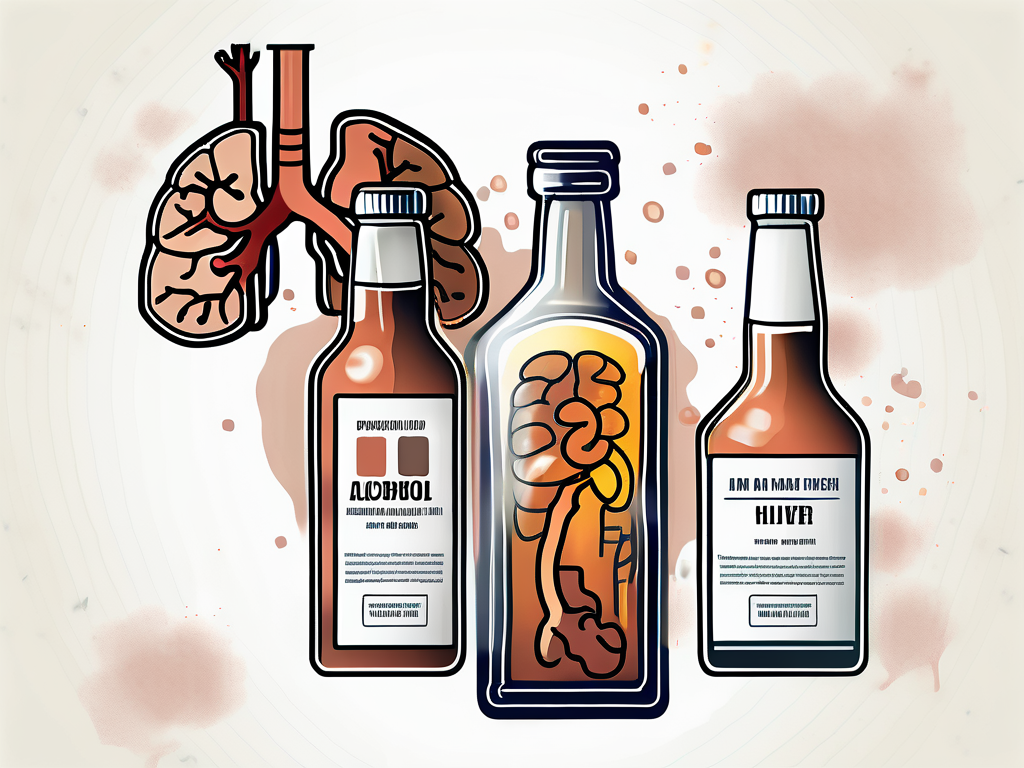
Chronic drinking can cause liver disease, leading to conditions such as cirrhosis, fibrosis, and alcoholic hepatitis. These conditions can impair liver function, potentially requiring a liver transplant.
Moreover, alcohol abuse increases the risk of developing pancreatitis, a painful inflammation of the pancreas. It can also contribute to digestive issues like gastritis and ulcers.
Additionally, alcohol use has been linked to an increased risk of developing mental health disorders, such as depression and anxiety. It can worsen symptoms and interfere with the effectiveness of mental health treatments.
Unveiling the Hidden Dangers of Chronic Drinking
While the physical health risks associated with chronic drinking are well-known, there are hidden dangers that may not be as obvious.
One such danger is an increased susceptibility to accidents and injuries. Alcohol impairs judgment, coordination, and reaction times, making individuals more vulnerable to accidents, falls, and other mishaps.
Another hidden danger is the impact of alcohol on personal relationships and social interactions. Excessive drinking can strain relationships, leading to isolation and feelings of loneliness.
Strategies for Minimizing Alcohol’s Impact on Your Body
While it’s important to be aware of the potential risks associated with alcohol consumption, there are strategies individuals can employ to minimize its impact on their bodies.
Practical Tips for Safer Drinking Habits
- Set limits and stick to them
- Drink slowly and pace yourself
- Alternate alcoholic beverages with non-alcoholic ones
- Never drink and drive
- Avoid drinking when feeling emotionally vulnerable
Understanding the Importance of Moderation
Moderation is key when it comes to alcohol consumption. It’s important to have a balanced approach and consider the potential effects on both physical and mental health. Being mindful of how much and how often alcohol is consumed can help individuals maintain a healthy relationship with alcohol.
Finding Support: Resources for Those in Need
If you or someone you know is struggling with alcohol-related issues, it’s important to reach out for support. There are various resources available, including support groups, counseling services, and treatment programs. These resources can provide guidance, assistance, and a supportive community to help individuals overcome alcohol-related challenges.

In conclusion, alcohol has wide-ranging effects on the body, from immediate consequences to long-term health risks. By understanding these effects, individuals can make informed decisions and take steps to minimize alcohol’s impact on their bodies. Seeking help when needed and finding support in the appropriate resources is crucial for leading a healthy and balanced lifestyle.
If you’re committed to understanding and minimizing the impact of alcohol on your body and community, enhancing your knowledge is key. Certs University offers specialized online, game-based alcohol server certification courses that empower alcohol servers, bartenders, and managers with the latest information and responsible serving practices. Whether you’re in California, Texas, Florida, New York, Ohio, New Jersey, or Illinois, our self-paced courses are tailored to meet your state’s specific requirements. Take the next step in responsible alcohol service and Find your state to start your certification journey with Certs University today.


