
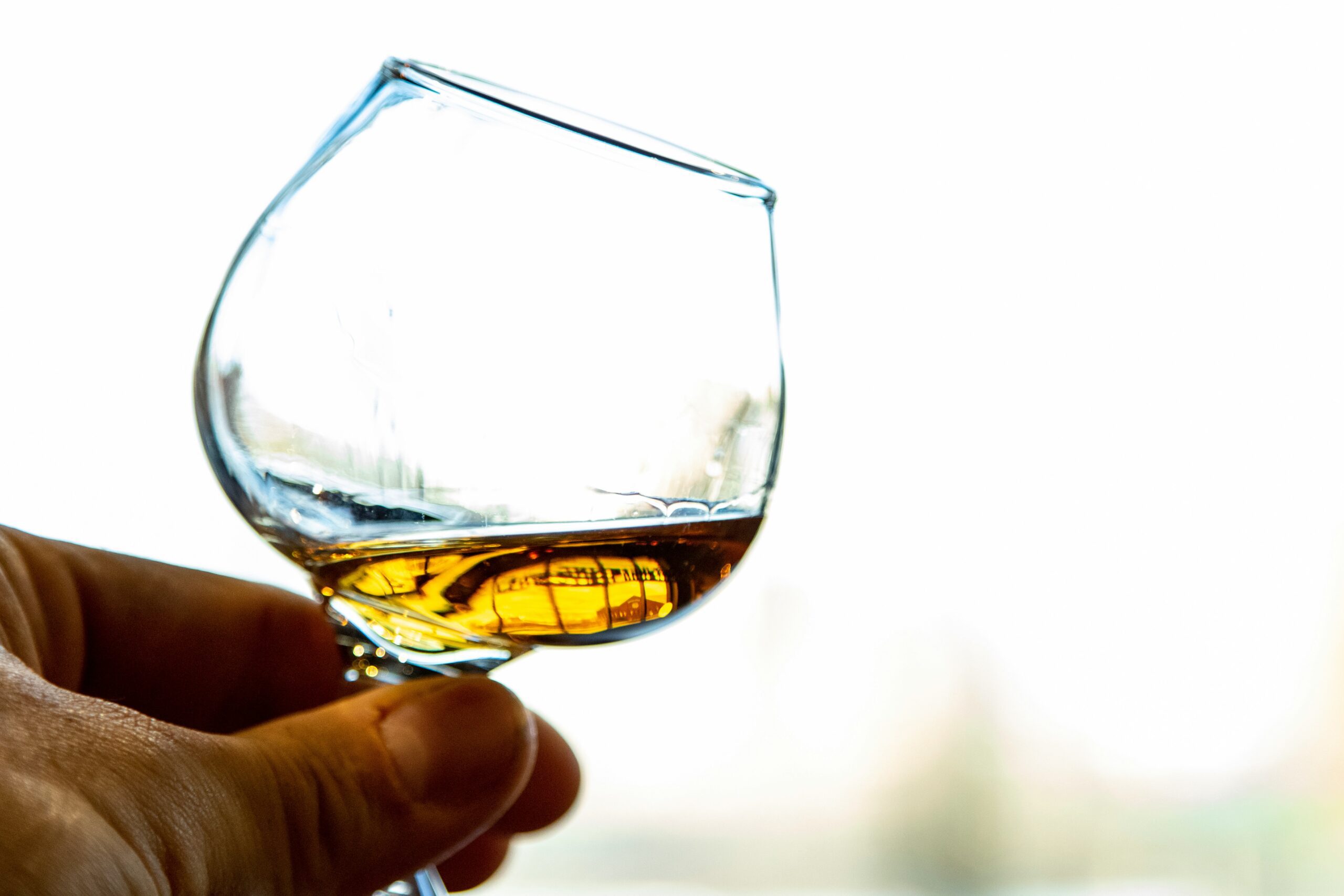
Understanding ABV: What It Means in the World of Alcohol
When exploring the vast world of alcoholic beverages, one term that frequently pops up is ABV, which stands for Alcohol by Volume. This simple acronym plays a crucial role in helping consumers understand the strength of their drinks. Whether you’re a casual drinker, or a connoisseur, it’s crucial to know what ABV (Alcohol by Volume) represents and the method for its calculation.
Understanding ABV also enhances safety and professionalism in handling and serving alcoholic beverages across various settings. As part of bartender responsibilities, they must understand ABV implications. This article delves into the meaning of ABV, how alcohol percentages work, and what it means for the potency of various drinks.
What is ABV?
ABV (Alcohol by Volume) serves as a global standard for measuring the alcohol (ethanol) content in beverages, expressed as a percentage of total liquid volume. For example, a beverage with a 5% ABV contains 5% pure alcohol by volume. A strong alcohol will have a high ABV percentage. For example, a non-alcoholic drink will have 0% ABV, while pure alcohol will be 100%.
How Does ABV Work?
The ABV of a beverage reflects alcohol in a given volume of liquid. For instance, if you have a beer with 5% ABV, then 5% of the beer’s makeup is pure alcohol. The rest is water, flavorings, and other components. The ABV gives a clear idea of how strong a drink is. Higher percentages mean more alcohol, and hence, a stronger effect on the drinker.
How is ABV Calculated?
Producers typically calculate ABV during the production process by measuring the specific gravity, or the density relative to water, of the liquid before and after fermentation. This measurement shows how much sugar has turned into alcohol, allowing producers to determine the alcohol content.
Common ABV Levels and What They Mean
- Beer: Beers typically range from 4-6% ABV, although light beers can be around 3-4% ABV. These beverages are considered light and are easy to drink Intoxication will take longer.
- Wine: Wines hold a higher ABV from about 12% to 15%, reflecting a substantial presence of alcohol derived from the fermentation. Grapes have a high sugar content which leads to alcohol in wine.
- Spirits and Liquors: These can start at around 35% ABV and can go much higher. This category includes drinks like vodka, rum, and whiskey, where the distillation process concentrates the alcohol. Spirits are a stronger beverage per volume and must be consumed in smaller quantities.
| Drink Type | Typical ABV Range |
| Beer | 4%-6% |
| Wine | 12%-15% |
| Spirits and Liquors | 35%-50% |
Meaning of 5% ABV or 5 alcohol volume
A beverage labeled as 5% ABV is moderately low in alcohol content. For example, many standard beers fall into this category. Understanding this level allows drinkers to manage their consumption more effectively, particularly in social settings where they consume multiple drinks.
The Importance of Understanding ABV
- Consumer Awareness: Knowing the ABV of a drink helps consumers make informed decisions about their alcohol intake. It serves as a guideline for how much alcohol one is consuming and aids in managing effects such as intoxication.
- Regulatory Compliance: ABV is crucial for regulatory and taxation purposes. Many countries have laws that regulate the sale and consumption of alcohol based on its ABV. There are also different tax brackets for different alcohol strengths.
- Culinary and Beverage Pairing: For culinary experts and bartenders, understanding the ABV of beverages allows for better food and drink pairings. This leads to an enhanced dining or drinking experience.
- Safety and Professionalism: Bartender certification in understanding ABV is essential for ensuring safety in alcohol service. Certified bartenders are better equipped to gauge the strength of drinks, which is crucial for serving responsibly and preventing over-intoxication. This certification helps maintain a safe drinking environment and enhances the professionalism of service, benefiting both patrons and the establishment.
Conclusion
ABV is a key factor in determining the strength and effects of alcoholic beverages. Understanding ABV (Alcohol by Volume) and its measurement help consumers manage their alcohol intake more effectively. Consumers will enjoy a safer and more enjoyable drinking experience. Whether you’re choosing a beer, a wine, or a cocktail, always consider the ABV as a guide to its potency.


